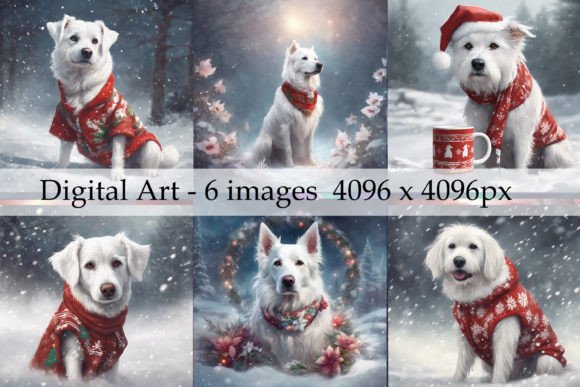
Review: Christmas Dog Digital Art for Embroidery
As a designer who has spent years digitizing and stitching thousands of files, I have learned that not every pretty picture translates well to thread. When I first pulled up the Christmas Dog Digital Art file, my initial reaction was one of cautious optimism. The illustration style is charming, capturing that specific warmth we look for in holiday decor. However, my job is not just to admire the art but to predict how it will behave under the needle. Will the details hold up on a textured towel? Will the density puckering ruin a soft baby onesie? This review breaks down the practical realities of using this design in real-world embroidery projects.
First Impressions and Visual Personality
The mood of this piece is undeniably festive without being overly cluttered. In the world of Illustrations, simplicity often wins in embroidery because thread has physical volume. The layout of the Christmas Dog Digital Art features clean lines and a focal point that draws the eye immediately. For a designer, this is crucial. If a design is too busy, it gets lost in the stitch texture. Here, the visual personality feels approachable and sweet, making it an ideal candidate for personalized gifts and boutique merchandise.
I noticed the balance between positive and negative space is well-handled. This suggests that the digitizer likely considered stitch direction and pull compensation. When evaluating a machine embroidery design, I always look for areas where threads might overlap excessively or where tiny details could snap during washing. This design appears to avoid those common pitfalls, offering a robust structure that should translate well from screen to fabric.
Real-World Application: The Holiday Tote Bag Test
To truly test the viability of this asset, I imagined a specific client project: a custom embroidered tote bag for a local bakery’s holiday promotion. The goal was to create a handmade product that felt premium yet durable. I placed the Christmas Dog Digital Art centrally on a canvas tote. Because canvas has a visible weave, designs with solid fills can sometimes look jagged if the stitch count is too low. However, the composition here allows for a mix of satin stitch borders and fill stitch interiors, which helps bridge the gap between the thread and the fabric texture.
If you are an Etsy seller or run a small shop product line, versatility is key. This design works exceptionally well on sweatshirts, where the loft of the fleece can hide minor imperfections, but it also holds its own on tighter weaves like twill caps. I envision this being a bestseller for holiday embroidery collections, particularly when paired with simple text like "Joy" or a family name. The dog motif adds an emotional connection that generic snowflakes simply cannot achieve.
Fabric Considerations and Stitch Behavior
One must always consider the substrate. While the Christmas Dog Digital Art is versatile, it requires thoughtful preparation. On stretchy fabrics like jersey t-shirts, the tension of the stitches can cause distortion. I recommend using a cut-away stabilizer to support the design long-term. For woven fabrics like linen or cotton, a tear-away stabilizer might suffice, but always test on scrap fabric first.
Dark fabrics present another challenge. If you are stitching this on navy or black, you must ensure your thread colors have enough contrast. The design relies on certain light tones to define the dog’s features. Without proper contrast, the image becomes a muddy blob. I advise running a simulation or a physical test stitch to check visibility. Additionally, be mindful of stitch density. If the file is heavily dense, it may perforate delicate fabrics like silk or thin rayon. For baby embroidery items, always check that the back of the stitching is smooth and does not irritate sensitive skin.
Commercial Viability and Brand Consistency
For commercial embroidery professionals, consistency is everything. You need a digital embroidery file that produces the same result on the hundredth item as it did on the first. The structural integrity of this design suggests it is reliable for batch production. Whether you are creating custom apparel for a corporate gift or embroidered patch runs for a local club, the clarity of the lines ensures brand recognition.
Using this as part of your design assets library can elevate your craft business. It moves beyond basic clipart into the realm of curated art. Customers perceive higher value in items that feature unique, well-composed illustrations. This enhances buyer engagement and trust, as the finished product looks professional rather than hastily assembled. It fits seamlessly into niches ranging from pet lovers to general holiday enthusiasts, widening your potential market.
Technical Notes for the Embroiderer
Before you hit start on your machine, keep these practical tips in mind:
- Hoop Size: Confirm the required hoop size before beginning. Ensure your frame can accommodate the full width and height of the design without re-hooping, which can lead to alignment issues.
- Thread Choice: Polyester threads offer durability for items that will be washed frequently, such as tote bag design applications or kitchen towels. Rayon offers a nicer sheen for decorative pillows but may fade faster.
- Detail Inspection: Zoom in on the digital preview. Look for any tiny isolated stitches that might not anchor well. If the design includes small elements, consider simplifying them if you are working with older machines that struggle with complex data.
- Licensing: Always verify the license terms. Just because you bought the file does not automatically grant rights for mass commercial resale. Check if the creator allows for finished product sales or if there are restrictions on quantity.
Where to Use Caution
While this design is strong, it is not magic. Avoid using it on highly textured fabrics like bouclé or heavy chenille without extensive testing, as the loops can interfere with stitch formation. Be cautious with curved surfaces like baseball caps; the design may need to be resized or warped slightly to prevent distortion around the seam. Also, if the design includes any simulated lettering or tiny details, ensure they are above the minimum readable size for your needle and thread combination.
In summary, the Christmas Dog Digital Art is a solid addition to any seasonal collection. It balances aesthetic appeal with technical feasibility. By respecting the material constraints and preparing your hoop properly, you can create stunning finished product examples that delight customers and stand the test of time. Whether for a personalized gift or a printable mockup for your online store, this design delivers the quality needed for professional results.