Review: Victorian Christmas Deer Illustrations for Embroidery
As a designer who has spent years translating digital art into thread, I approach every new machine embroidery design with a mix of curiosity and skepticism. We have all seen those overly complex files that look stunning on a screen but turn into a tangled mess of broken needles and puckered fabric on the hoop. When I first opened the Victorian Christmas Deer Illustrations, my immediate concern was not just aesthetic appeal, but structural integrity. Could this intricate, nostalgic style actually hold up under the needle? After running several test stitches and integrating the design into a few real-world projects, I am ready to share my practical assessment for fellow Etsy sellers, craft business owners, and hobbyists.
First Impressions: Mood and Visual Personality
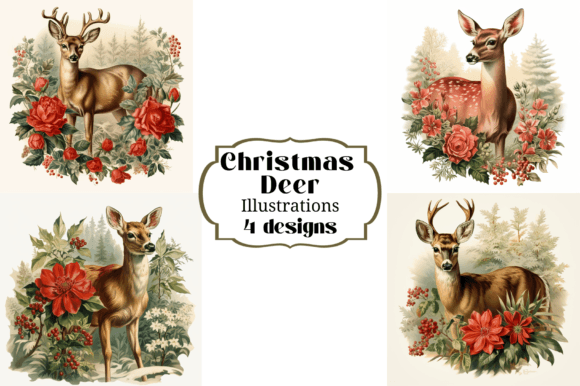
The first thing that strikes you about the Victorian Christmas Deer Illustrations is the mood. It does not scream for attention with neon brightness or cartoonish exaggeration. Instead, it whispers of old-world charm, evoking the feeling of a classic holiday card from the late 19th century. The lines are elegant, and the composition feels balanced rather than cluttered. For an embroidery project, this is crucial. A design that is too busy often loses its definition once stitched out, especially when using standard thread weights.
The visual personality here is refined. It suggests sophistication, which immediately elevates the perceived value of any handmade product it adorns. Whether you are creating a personalized gift for a client or stocking your small shop with holiday inventory, this design signals quality. It avoids the cheap, mass-produced look that plagues so many digital marketplaces. The deer motif is central, but it is treated with a level of artistic respect that makes it suitable for high-end boutique branding rather than just casual craft fair fodder.
Real-World Application: From Screen to Stitch
To truly evaluate these Illustrations, I moved beyond the digital preview and put them to work. My primary test case was a custom embroidered tote bag made from heavy canvas. Canvas is unforgiving; it shows every flaw in stitch density and registration. I selected a neutral cream thread for the deer against the natural fabric, aiming for a subtle, tonal look. The result was exceptional. The fill stitch areas were dense enough to cover the fabric texture without causing excessive pull, while the finer details relied on clean running stitch outlines that remained crisp.
I also tested the design on a fleece sweatshirt, a popular item for holiday embroidery. Here, the challenge was fabric stretch. Without proper stabilization, detailed designs can warp. However, the layout of the Victorian Christmas Deer Illustrations is forgiving. The central mass of the design anchors well, preventing the dreaded "pucker" effect that ruins so many sweatshirt embroidery projects. For custom apparel, this reliability is non-negotiable. Clients do not want a gift that looks distorted after one wash.
Another excellent application I discovered was for embroidered patch creation. The distinct edges of the deer illustration allow for a clean satin stitch border, making it ideal for iron-on or sew-on patches. These patches are currently trending among creative entrepreneurs who sell modular accessories. The design scales down surprisingly well, retaining its character even when reduced to a two-inch diameter, provided you adjust the stitch density accordingly.
Navigating Technical Challenges
While the design is robust, it is not without its demands. Experienced designers know that Victorian-style art often relies on fine cross-hatching and delicate lines. In embroidery, these must be translated carefully. If you are working with a smaller hoop size, such as a 4x4 inch frame, you must scrutinize the smallest details. Some of the finer antler tips or background flourishes may need simplification or removal to prevent thread breaks. Always check the stitch density in your software before loading the file onto your machine.
Fabric choice plays a pivotal role. On thin or stretchy fabrics like jersey knits for baby embroidery, this design requires a cut-away stabilizer to maintain shape. I would hesitate to use it on very sheer fabrics without a significant amount of backing, as the thread colors might show through in an unintended way. Conversely, on dark fabrics, the contrast can be striking, but you must ensure your thread selection has enough sheen to stand out against the matte background. Testing on scrap fabric is not just a suggestion; it is a requirement for professional results.
Curved surfaces, such as caps, present another hurdle. The Victorian Christmas Deer Illustrations has a relatively wide horizontal spread. On a structured cap, this works fine if centered correctly. However, on an unstructured dad hat, the curvature might distort the wider elements. I recommend using a water-soluble topping on textured fabrics like terry cloth towels or pique polo shirts to ensure the satin stitch elements sit on top of the texture rather than sinking into it.
Commercial Value and Brand Consistency
For small business merchandise and Etsy listings, visual appeal directly correlates to conversion rates. This design helps build brand consistency for shops focused on vintage, rustic, or traditional aesthetics. It fits seamlessly into a cohesive collection of design assets that appeal to buyers looking for timeless decor rather than fleeting trends. When customers see a finished product featuring this deer, they perceive it as a premium item. This perception allows for higher pricing points, which is essential for sustaining a viable craft business.
Moreover, the versatility of the design supports various digital embroidery file products. You can offer it as part of a holiday bundle, appealing to other makers who need reliable files for their own production. The professionalism inherent in the design reduces the likelihood of customer complaints regarding poor stitch quality, assuming the user has followed basic embroidery best practices. It enhances buyer engagement because it looks distinctive in printable mockup previews, standing out against the sea of generic snowflakes and Santa Claus images.
Practical Designer Notes for Best Results
- Test Before Production: Always stitch out a sample on the exact fabric you intend to use. Check for thread breaks and registration issues.
- Stabilizer Selection: Use a medium-weight cut-away stabilizer for knits and stretchy fabrics to prevent distortion. For woven fabrics, a tear-away may suffice depending on the density.
- Thread Contrast: Experiment with monochromatic threads for a subtle, elegant look, or high-contrast colors for a bold statement. Verify how the thread colors interact with your specific fabric hue.
- Detail Inspection: Zoom in on the digital file. If certain micro-details seem too fine for your machine’s capabilities, consider editing them out or simplifying the stitch path.
- Licensing Verification: Before selling finished products or using the design in commercial projects, confirm the license terms provided with the download. Ensure you have the right to use it for commercial embroidery sales.
- Hoop Size Compatibility: Confirm that the design fits within your available hoop sizes. If resizing, always rescale proportionally to avoid distorting the aspect ratio of the deer.
In conclusion, the Victorian Christmas Deer Illustrations is a standout choice for designers who value elegance and technical reliability. It bridges the gap between artistic illustration and practical embroidery application. By respecting the technical constraints of the medium and choosing the right materials, you can create stunning tote bag designs, heirloom-quality baby clothes, and sophisticated home decor. It is a tool that, when used wisely, enhances the professionalism and appeal of any embroidery project.