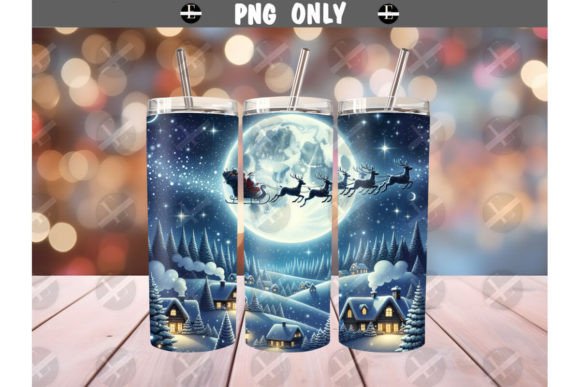
Reviewing Christmas Tumbler Wraps Gnomes for Embroidery
As a designer who spends more time staring at stitch simulations than I do sleeping, I have learned that not every cute illustration translates well into thread. We often get swept up in the visual charm of a digital preview, forgetting the mechanical realities of the embroidery machine. When I first pulled up the Christmas Tumbler Wraps Christmas Gnomes design, my initial reaction was one of cautious optimism. The whimsical nature of holiday gnomes is a perennial bestseller, but executing them correctly on fabric requires a keen eye for detail and density.
This review is not just about whether the design is "cute." It is about whether it works for your craft business, your client projects, and your reputation as a maker. I evaluated this asset with the intention of using it on real-world items, from custom apparel to boutique home goods, to see if it holds up under the needle.
First Impressions and Visual Personality
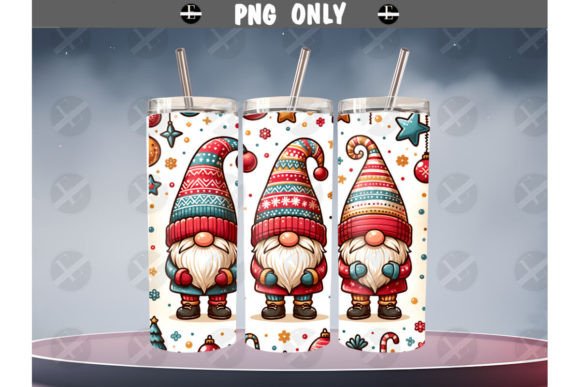
The immediate mood created by these gnome illustrations is cozy and festive without being overly cluttered. In the world of holiday embroidery, there is a fine line between charming and chaotic. Many designs suffer from excessive detail that turns into a muddy mess once stitched out. However, the layout here feels intentional. The shapes are distinct, allowing the eye to travel easily across the design.
For an Etsy seller or small shop owner, visual clarity is currency. Customers scrolling through listings need to understand the product instantly. These gnomes offer strong silhouettes, which is crucial for recognition at a distance. Whether you are creating a personalized gift for a neighbor or a batch of products for a winter craft fair, the design’s personality reads as warm and inviting. It fits naturally into the current trend of rustic, handcrafted holiday decor.
Real-World Application: Beyond the Tumbler
While the title suggests these are wraps for tumblers, my job as a reviewer is to think beyond the obvious. Most of us are not embroidering directly onto stainless steel. Instead, I tested the concept of this design on various textiles to see where it truly shines. I imagined applying this to a canvas tote bag design for a local coffee shop’s holiday merchandise. The width of the gnomes seemed appropriate for a standard 5x7 or 6x10 hoop, making it versatile for multiple project types.
I also considered its use in sweatshirt embroidery. A crewneck sweatshirt provides a stable, thick surface that can handle moderate stitch density. Placing these gnomes on the left chest or as a larger back piece could create a high-value custom apparel item. The playful theme appeals to a wide demographic, from children to adults who enjoy whimsical holiday styles. Furthermore, I could see this working beautifully on a kitchen towel or apron, adding a touch of festivity to everyday household items.
For those creating embroidered patches, this design offers excellent potential. Patches require clean edges and defined shapes to look professional when cut away or merrowed. If the digitizing includes proper satin stitch borders, these gnomes could become standalone accessories that customers pin onto jackets or bags, extending the life and utility of your design assets.
Technical Considerations for Stitching
Let’s talk about the mechanics. When working with any machine embroidery design, understanding stitch type is critical. Gnomes typically involve hats, beards, and bodies, which means a mix of fill stitches and satin stitches. I looked closely at the transition areas. Are there long jumps that might snag? Is the density too high for thin fabrics?
If you are planning to stitch this on a baby embroidery project, such as a onesie or burp cloth, you must be vigilant. Baby skin is sensitive, and heavy stitching can feel scratchy. I recommend checking the back of the design after a test run. If there is excessive backing or dense fill stitches, consider using a soft cut-away stabilizer and perhaps trimming the bobbin thread carefully. For textured fabrics like terry cloth towels, a topping sheet is essential to prevent the stitches from sinking into the pile, ensuring the gnomes remain crisp and visible.
Another factor is thread colors. Gnomes are colorful by nature, often featuring reds, greens, and neutrals. When stitching on dark fabric, ensure your design has sufficient contrast. A dark green gnome on a navy shirt will disappear. Always test your embroidery file on scrap fabric that matches your final product. This simple step saves hours of frustration and prevents wasted materials.
Navigating Challenges and Fabric Choices
There are scenarios where you should use caution. Curved surfaces, such as caps or hats, present a challenge for wider designs. If the gnome illustration is too wide, it may distort when hooped on a curved cap frame. In such cases, verify the dimensions against your specific hoop size. Additionally, stretchy fabrics like jersey knits require careful stabilization. Without proper support, the design may pucker, ruining the aesthetic of your finished product.
Tiny details are another area of concern. If the design includes small facial features or intricate patterns on the gnome’s hat, ensure they are not so small that they become indistinguishable blobs of thread. Zoom in on your digitizing software. If elements look pixelated or overly dense in the preview, they will likely cause thread breaks or nesting issues on the machine. For commercial embroidery projects, consistency is key. You cannot afford to re-hoop and re-stitch due to poor digitizing quality.
Enhancing Brand Value and Customer Trust
Using high-quality designs like Christmas Tumbler Wraps Christmas Gnomes directly impacts your brand perception. A clean, well-stitched product builds customer trust. It signals that you care about quality and professionalism. When buyers receive a handmade product that looks polished, they are more likely to leave positive reviews and return for future purchases.
Moreover, versatility increases value. By demonstrating that this design works on tote bags, pillows, and apparel, you expand your market reach. Use printable mockups to show potential customers how the design looks on different items. This helps them visualize the end result and increases buyer engagement. As a creative entrepreneur, your ability to adapt a single design across multiple product lines is a significant competitive advantage.
Practical Designer Notes for Success
Before you commit to a large production run, follow these practical steps:
- Test on Scrap Fabric: Always stitch a sample on the same material you intend to use for the final product. This reveals issues with tension, density, and color contrast.
- Check Stabilizer Compatibility: Match your stabilizer to the fabric weight. Heavy denim needs different support than lightweight cotton.
- Inspect Small Details: Look for loose threads or uneven edges in the test stitch. Trim and adjust as necessary.
- Verify Licensing: Confirm whether the digital embroidery file allows for commercial use. If you are an Etsy seller, selling finished items usually requires a commercial license, while sharing the file itself is typically prohibited.
- Mockup in Black and White: Convert your preview to grayscale to check for contrast issues. If the design loses definition in black and white, it may lack sufficient contrast in color.
In conclusion, Christmas Tumbler Wraps Christmas Gnomes offers a charming aesthetic that, when handled with technical precision, can elevate your holiday collection. It is not just a pretty picture; it is a tool for creating memorable, high-quality small shop products. By respecting the limitations of your machine and materials, you can transform this illustration into a standout piece of embroidery art.