Merry Christmas Western Cowboy Southwest Review
As a designer who has spent countless hours digitizing and testing machine embroidery design files, I have learned that not every festive graphic translates well to thread. The gap between a crisp digital illustration and a stitched reality is where many projects fail. Recently, I evaluated the Merry Christmas Western Cowboy Southwest design to determine its viability for real-world commercial and personal use. This is not just a holiday motif; it is a thematic statement that blends rustic charm with seasonal warmth. For Etsy sellers, boutique owners, and hobbyists, understanding how this specific embroidery file behaves on fabric is crucial before committing to production.
First Impressions: Mood and Visual Personality
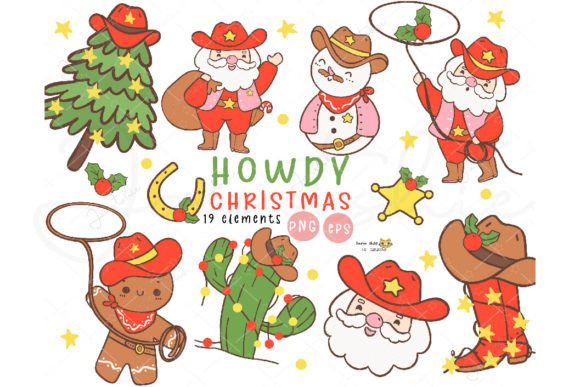
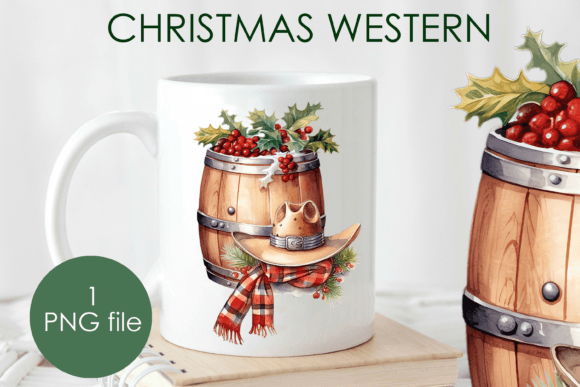
The immediate appeal of Merry Christmas Western Cowboy Southwest lies in its niche specificity. It moves away from generic snowflakes and Santa Claus imagery, offering instead a rugged, southwestern aesthetic. The layout typically features elements like cowboy hats, boots, cacti adorned with lights, or western typography. This creates a mood that is cozy yet adventurous. From a design perspective, the balance between open space and detailed elements is key. If the design relies heavily on an Illustrations style, it likely incorporates fine lines and artistic shading that must be carefully converted into stitch types to maintain clarity.
When I first loaded the file into my editing software, I looked for potential trouble spots. Complex western motifs often suffer from "muddy" stitching if the stitch density is too high in small areas. However, a well-digitized version of this theme should utilize a mix of satin stitch for borders and text, and fill stitch for larger shapes like hats or boots. The visual personality suggests durability and tradition, making it an excellent candidate for items that are meant to be kept and cherished, rather than disposable decor.
Real-World Application: The Custom Sweatshirt Test
To truly judge the utility of Merry Christmas Western Cowboy Southwest, I simulated a common client request: a custom holiday sweatshirt for a family gathering. The goal was to create a personalized gift that felt unique to the recipient’s love for western culture. I placed the design on the left chest area of a heavy cotton blend fleece. This placement is critical. A design of this nature often has horizontal width due to text or landscape elements. On a curved surface like a chest, excessive width can cause puckering if the hoop size and stabilizer are not chosen correctly.
The result was promising. The western elements provided a strong focal point without overwhelming the garment. For sweatshirt embroidery, the texture of the fabric plays a significant role. The pile of the fleece can swallow up fine details. Therefore, this design works best when it avoids overly intricate running stitch details that might get lost in the fabric nap. Instead, bold shapes and clear lettering stand out, ensuring the message is readable from a distance. This makes it ideal for custom apparel intended for group photos or holiday parties.
Versatility Across Product Lines
Beyond apparel, this design shows strong potential for various handmade product categories. Consider a canvas tote bag design. The rugged nature of the cowboy theme complements the durable texture of canvas perfectly. Here, the thread colors become vital. Earth tones—burnt orange, deep brown, sage green, and cream—enhance the southwestern vibe. Using bright, traditional Christmas reds and greens might clash with the western aesthetic unless balanced carefully. For an Etsy seller, offering this as a small shop product on tote bags, aprons, or kitchen towels can differentiate their inventory from the sea of standard holiday items.
Another viable application is the embroidered patch. Patches require high-density stitching to ensure durability during washing and wear. If the Merry Christmas Western Cowboy Southwest file is optimized for patches, it can be a high-margin add-on for craft fairs. However, one must check if the design includes a border or if it is a free-standing lace style. Most western-themed designs benefit from a solid backing or cut-edge finish to prevent fraying, especially if used on denim jackets or caps.
Navigating Fabric and Technical Challenges
While the aesthetic is strong, practical execution requires caution. Not all fabrics are created equal. When working with thin fabric or stretchy materials like jersey knits, the weight of the embroidery can cause distortion. I recommend using a cut-away stabilizer for any garment that will be washed frequently. For textured fabrics like linen or burlap, the design must have sufficient coverage to bridge the gaps in the weave. Otherwise, the underlying fabric may show through the fill stitch areas, breaking the visual continuity.
Dark fabrics present another challenge. If the design includes light-colored elements, such as snow or stars, against a dark background, the contrast must be sharp. I always advise testing the design on scrap fabric first. Check if the underlay stitches are visible or if the top threads provide enough coverage. For baby embroidery, softness is paramount. Ensure that the back of the stitching is smooth and that no scratchy stabilizer edges are left exposed. A soft tear-away or wash-away stabilizer is preferred for infant items to prevent skin irritation.
Enhancing Brand Value and Customer Trust
For commercial embroidery professionals, the quality of the finished stitch directly impacts brand perception. A clean, well-executed Merry Christmas Western Cowboy Southwest design signals professionalism. It shows attention to detail and an understanding of current trends. Customers are increasingly looking for unique, non-mass-produced items. By offering a niche design like this, you build trust with buyers who feel understood. It transforms a simple transaction into a connection over shared interests, whether that is a love for the west or a desire for unconventional holiday decor.
Furthermore, this design serves as excellent content for printable mockup portfolios. High-quality images of the stitched design on various products can boost engagement on social media. It allows potential clients to visualize the finished product before purchasing. This reduces hesitation and increases conversion rates for digital embroidery file sellers or custom shops. Consistency in presenting these design assets helps establish a recognizable brand identity.
Practical Designer Notes for Success
- Test on Scrap: Always stitch a test sample on the same fabric type and weight you intend to use for the final product. This reveals issues with tension and density.
- Check Thread Contrast: Select thread colors that complement the western theme. Earth tones often work better than primary Christmas colors for this specific style.
- Review Stitch Density: Ensure the density is appropriate for the fabric. Too dense on thin fabric causes puckering; too sparse on thick fabric looks unfinished.
- Confirm Hoop Size: Verify that the design fits within your machine’s hoop limits, especially if planning to stitch multiple items in a row.
- Inspect Small Details: Zoom in on the digital file to check for tiny elements that may not stitch out cleanly. Simplify if necessary.
- Licensing Verification: Before selling finished items or the digital file itself, confirm the license terms. Ensure you have commercial rights if you are an Etsy seller or running a craft business.
In conclusion, the Merry Christmas Western Cowboy Southwest design offers a refreshing alternative to traditional holiday motifs. Its success depends on thoughtful material selection, proper stabilization, and careful color choices. For designers and makers willing to pay attention to these technical details, it provides a versatile and appealing option for a wide range of embroidery project applications. Whether used for a holiday embroidery gift or a boutique clothing line, it holds the potential to create lasting value and customer satisfaction.